
Key Features
- Fixed rental period. Specifies a start and end date (e.g., 12 months), during which its term cannot change without mutual consent.
- Rent amount. Sets a monthly rent, due date, accepted payment methods, and late fees.
- Security deposit. Outlines the deposit requirements and rules for returning after tenancy.
- Maintenance and repairs. Defines who is responsible for repairs versus routine maintenance.
- Parties’ obligations. Who will be responsible for trash, landscaping, snow removal, and any other property rules.
By State
- Alabama
- Alaska
- Arizona
- Arkansas
- California
- Colorado
- Connecticut
- Delaware
- Florida
- Georgia
- Hawaii
- Idaho
- Illinois
- Indiana
- Iowa
- Kansas
- Kentucky
- Louisiana
- Maine
- Maryland
- Massachusetts
- Michigan
- Minnesota
- Mississippi
- Missouri
- Montana
- Nebraska
- Nevada
- New Hampshire
- New Jersey
- New Mexico
- New York
- North Carolina
- North Dakota
- Ohio
- Oklahoma
- Oregon
- Pennsylvania
- Rhode Island
- South Carolina
- South Dakota
- Tennessee
- Texas
- Utah
- Vermont
- Virginia
- Washington
- Washington D.C.
- West Virginia
- Wisconsin
- Wyoming
How to Write a Standard Lease (11 steps)
1. Enter the Parties’ Details
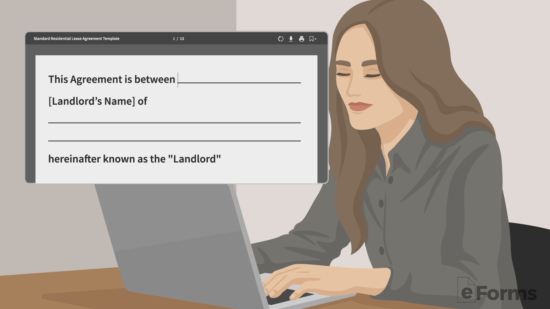
The names and addresses of both the landlord and tenant should be entered. The landlord is required (in most States) to enter their name and address as a contact for the tenant.
2. Describe the Property
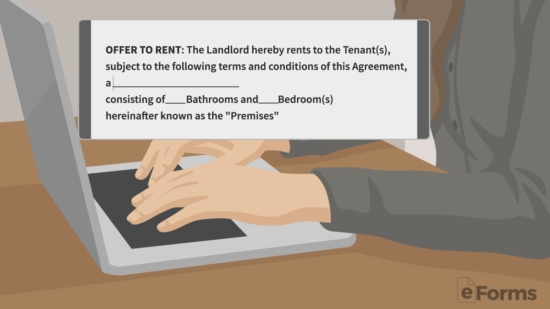
Write an accurate property description. This can be as simple as writing the property address while also including other details such as the number (#) of bedrooms, the number (#) of bathrooms, and the square footage.
3. Rent Amount ($)
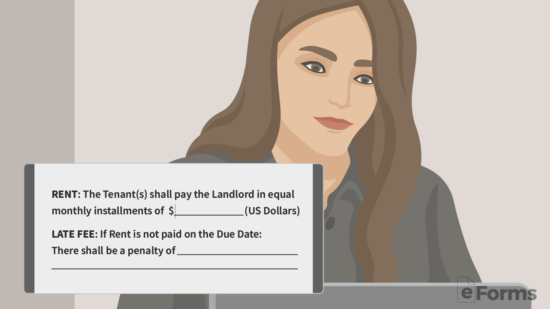
The payment obligations of the tenant should include:
- Monthly rent amount
- Due date (1st of the month)
- Payment instructions
- Late fees
- Non-sufficient funds (NSF) fee
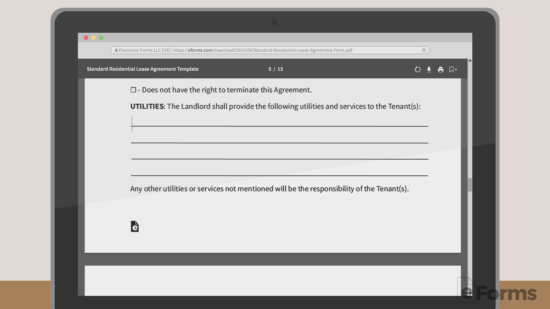
5. Appliances & Furnishings
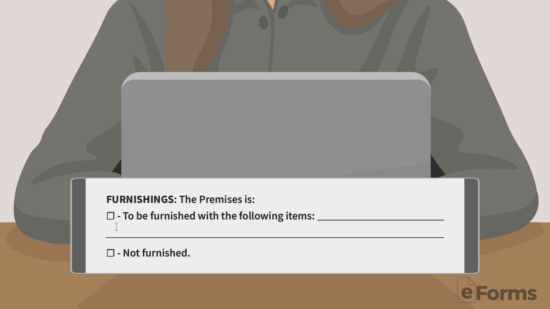
If the property includes furnishings or appliances, they should be listed in the lease. This way, if any items are missing or damaged at the end of the lease term, they can be properly accounted for.
Appliances & Furnishings
- Air conditioner
- Dishwasher
- Fans
- Microwave
- Oven/stove
- Refrigerator
- Washer/dryer (for laundry)
6. Lease Term
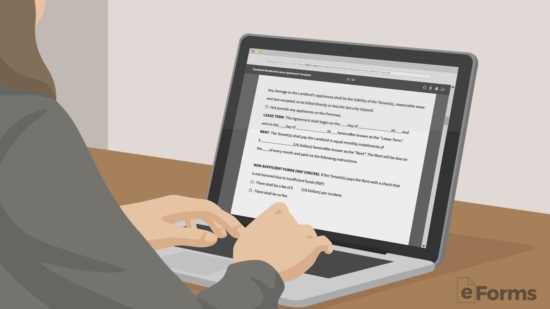
A 12-month lease is the most common. However, the landlord and tenant can agree to any term allowed under the law.
If longer than 12 months, there may be special conditions such as in Florida, a lease is required to be signed by both the landlord and tenant with two witnesses present.[3]
Breakdown of Fixed-Term Leases[4]
- 87.68% are for 12 months.
- 3.77% are for 24 months.
- 1.86% are for 13 months.
- 1.56% are for 6 months.
- 5.42% are for other periods.
7. Security Deposit
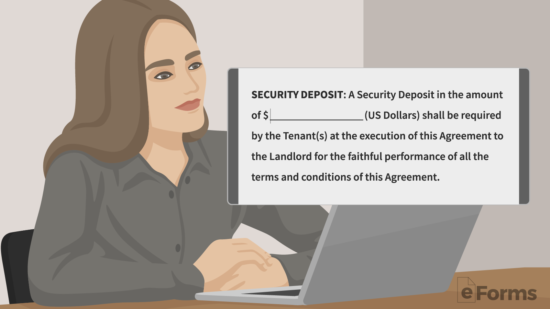
A security deposit is a sum of money that is paid at lease signing and is refundable at termination if no damages are found on the premises. It is most common for the landlord to accept one month’s rent as the security deposit.
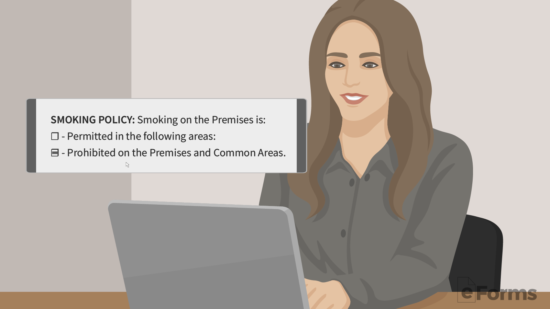
9. Pet Rules
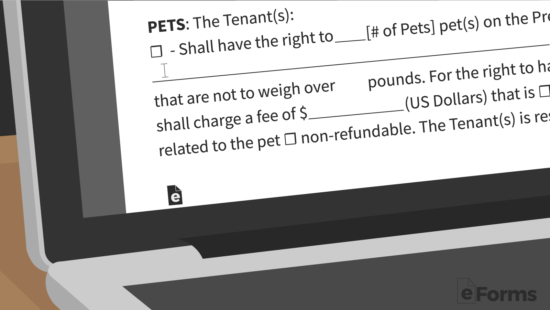
The rules regarding pets should be included. Even if pets are not allowed, a tenant can still be legally eligible if the animal qualifies as a service or emotional support animal.
In addition to the security deposit, a landlord can collect a separate deposit for potential damages caused by a pet in most states.
10. Additional Attachments
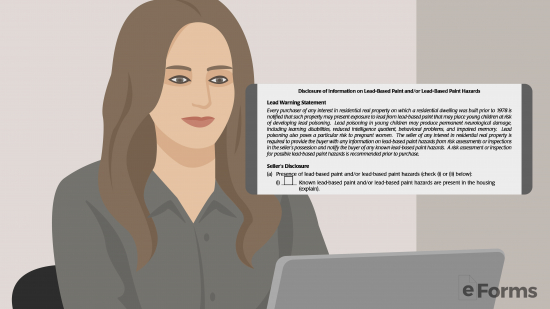
Depending on the property and its location, the landlord may be required to disclose certain aspects about the property to the tenant.
Common Attachments (5)
- Lead-Based Paint Disclosure – For housing built prior to January 1, 1978.[9] It discloses if the landlord is aware of lead-based paint on the premises or any potential hazards.
- “Protect Your Family From Lead in Your Home” Brochure – Provided by the EPA, it must be given to tenants as an informational brochure regarding lead-based paint.
- Move-in Inspection Form – To enter the property’s condition on move-in and disclose any existing damage or repairs needed.
- Security Deposit Receipt – To inform the tenant where their deposit is located.
- Personal Guaranty – For tenants who are a credit risk, it is common for the landlord to require an additional person to co-sign the lease to guarantee its performance.
Sample
Video
Sources
- 2022 BLS Housing Study (2nd slide)
- New York Real Property Law § 238-a(2)
- Florida Statute § 689.01(1)
- 2022 BLS Housing Study (3rd slide)
- California Civil Code § 1947.5
- New York City Local Law 147
- American Pet Products Assoc. – Industry Trends and Stats
- American Apartments Owners Assoc. – What 90% of Renters Want
- 42 U.S. Code § 4852d